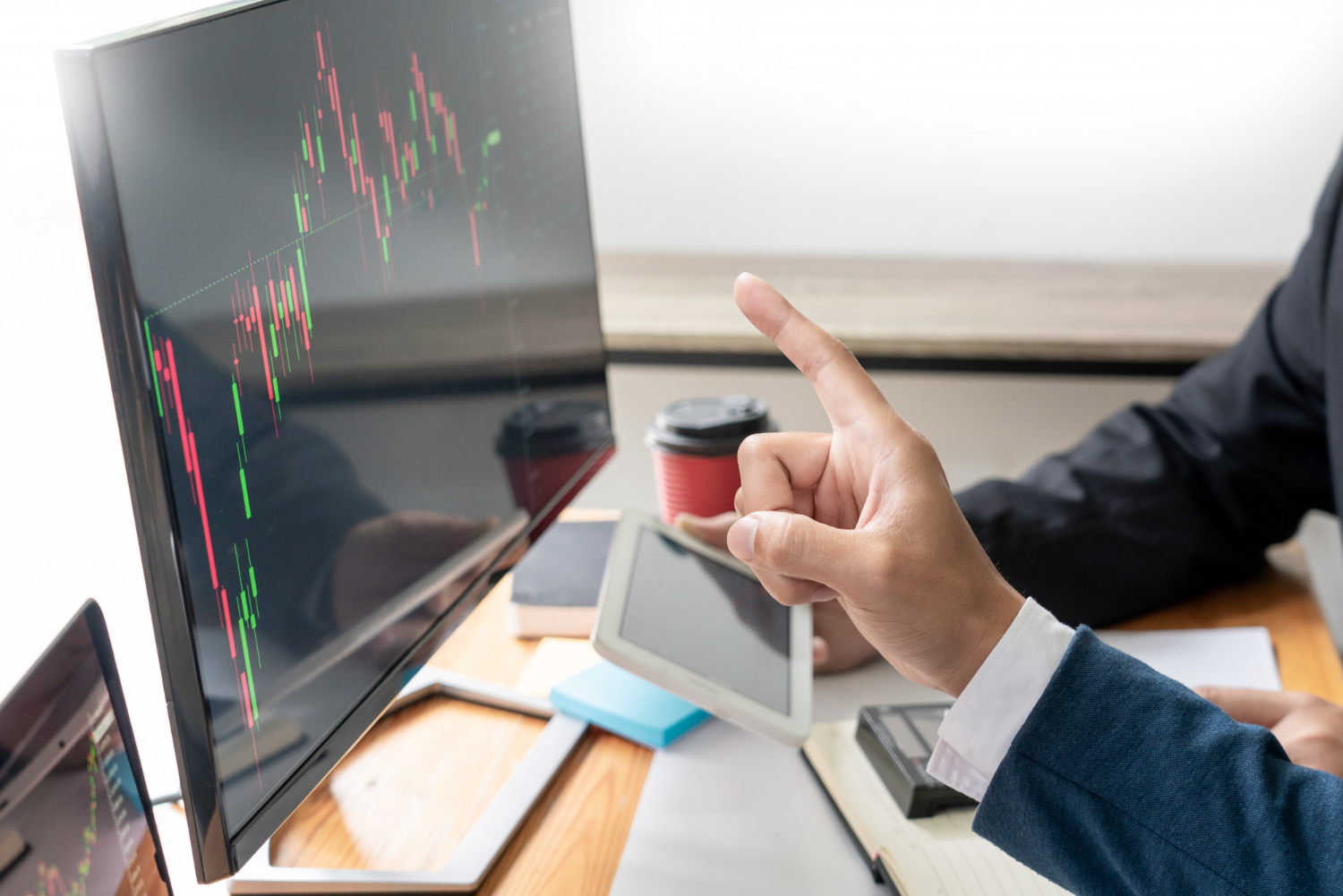
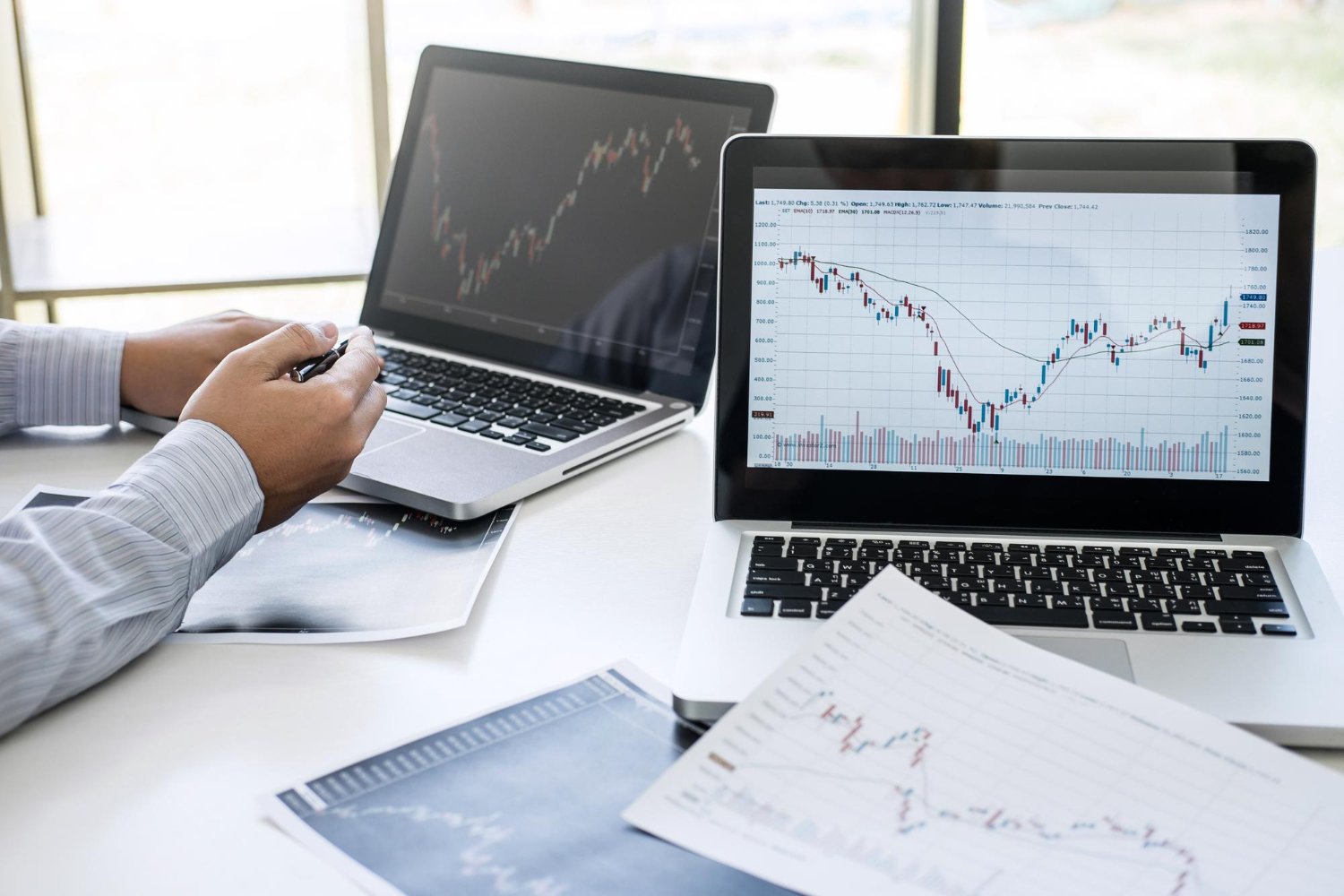
AI and automation are set to redefine Forex trading in India by enhancing efficiency, speeding up execution, and providing advanced data-driven insights. These technologies can process vast datasets and execute trades in milliseconds, far surpassing human capabilities. While they offer significant benefits, such as reduced emotional bias and 24/7 market monitoring, they also introduce new risks and challenges.
The Role of AI in Forex Trading
Artificial intelligence (AI) is revolutionizing Forex trading by enabling algorithms to analyze market trends at speeds that far surpass human traders, thereby enhancing decision-making processes.
Understanding AI Technologies
AI technologies, including Neural Networks and Machine Learning, are employed to analyze extensive datasets, allowing for more accurate predictions of currency movements and improving trading strategies. For instance, Sentiment Analysis utilizes natural language processing (NLP) to evaluate public sentiment from news and social media, helping traders gauge market mood. Platforms like TradingView incorporate AI-based trading signals to notify users of optimal times to buy or sell currencies based on historical data patterns. Traders can also use automated trading bots, such as those on MetaTrader, which use algorithms to execute trades automatically, ensuring timely actions based on predefined strategies.
Machine Learning and Predictive Analytics
Machine Learning (ML) algorithms are capable of predicting price movements based on historical data, enhancing the accuracy of trading signals and minimizing emotional trading errors. A notable example is Reinforcement Learning, which adapts to changing market conditions by using a trial-and-error method to develop optimal strategies over time. Models like Long Short-Term Memory (LSTM) networks are effective at analyzing time-series data to identify patterns and predict future prices. By integrating these models, traders can refine their strategies and improve their market predictions.
Automation in Forex Trading
Automation in Forex trading significantly streamlines operations, allowing traders to implement strategies without the need for real-time manual intervention. This advancement enhances overall efficiency and responsiveness.
Types of Automated Trading Systems
Automated trading systems can be categorized into Algorithmic Trading Systems, Trading Bots, and High-Frequency Trading (HFT) Platforms. Algorithmic Trading Systems use predefined rules to execute trades based on market conditions and are suitable for those with programming knowledge; a common platform is MetaTrader 4 (MT4). Trading Bots simplify the process for less experienced traders, automating trades on platforms like 3Commas. High-Frequency Trading Platforms, such as NinjaTrader, are for institutional traders who need to execute thousands of trades in seconds, focusing on speed and volume.
Benefits of Automation in Trading
Automation in Forex trading significantly minimizes human error, enhances the speed of execution, and facilitates the Backtesting of strategies against historical data to refine methodologies. By using tools like MT4, traders can employ Expert Advisors (EAs) that execute trades based on algorithms, removing emotional biases. Platforms like QuantConnect allow for Backtesting with historical data, enabling traders to evaluate numerous strategies against real market conditions in a timely manner. This not only improves execution speed but also substantially decreases the time required for manual analysis.
Challenges and Risks
Despite the benefits of automation, Forex trading remains vulnerable to market volatility and other inherent risks.
Market Volatility and Unpredictability
Market volatility can cause unforeseen price fluctuations, potentially leading to substantial losses. To mitigate risks during volatile periods, traders should use Stop-Loss orders, which automatically sell a security at a predetermined price to limit potential losses and prevent emotional decision-making. Diversifying a portfolio and using tools like trailing stops can also help manage risk proactively.
Technological Limitations and Failures
Technological failures, such as latency issues or software bugs, can disrupt trading. To mitigate these risks, traders should invest in reliable internet connections, consider a Virtual Private Server (VPS) for enhanced stability, and use mobile trading applications as a backup. Regularly updating trading software is also crucial to minimize bugs and ensure optimal performance.
Regulatory Landscape in India
India’s regulatory framework for Forex trading is strict and evolving. The Reserve Bank of India (RBI) stipulates that Forex trading may only occur through authorized brokers and in specific currency pairs that involve the Indian Rupee (INR), such as USD/INR. Trading on unregulated offshore platforms is illegal and can result in significant penalties. Future regulatory trends are expected to focus on enhancing transparency, improving consumer protection, and regulating new fintech innovations through stricter compliance and real-time fraud detection.
The Future of Forex Trading in India
Within the next five years, AI-driven insights are expected to significantly influence Forex Trading, offering improved predictive capabilities and operational efficiencies. Advancements in machine learning will provide traders with more accurate trend predictions, and platforms like MetaTrader 5 are likely to incorporate more AI features. It’s advisable for traders to familiarize themselves with AI-powered platforms like TradingView to maintain a competitive edge. The future of Forex trading in India will likely be a blend of human insight and AI-driven efficiency.
Frequently Asked Questions
What is the role of AI and automation in the future of Forex Trading in India?
AI and automation are expected to play a significant role in the future of Forex trading in India by analyzing vast amounts of data and making faster, more accurate trading decisions, leading to increased efficiency and profitability.
How can AI and automation improve the Forex Trading experience in India?
AI and automation can improve the trading experience by identifying market patterns and trends, reducing human error, and providing real-time insights to help traders make informed decisions.
Will AI and automation replace human traders in India?
No, AI and automation are not expected to replace human traders. While these technologies assist in decision-making, human intuition and experience remain valuable in the Forex market. The future is a combination of human and machine intelligence.
What are the potential risks of relying on AI and automation in Forex Trading in India?
The main risk is the potential for technological failures and glitches, which can lead to significant losses. Traders must understand how these technologies work and monitor their performance carefully.
How can traders in India prepare for the increasing use of AI and automation in Forex Trading?
Traders can prepare by educating themselves on these technologies and staying updated on the latest advancements. It is also important to practice on demo accounts to test strategies and monitor their performance.
Are there any regulations in place for the use of AI and automation in Forex Trading in India?
Currently, there are no specific regulations for the use of AI and automation in Forex trading in India, but the Securities and Exchange Board of India (SEBI) is closely monitoring the use of technology and may introduce regulations in the future to ensure fair practices.